With London Fashion Week happening right now, there is always this collective shift in attention toward mood, storytelling, texture, and the emotional direction fashion is taking, and one aesthetic that quietly but powerfully keeps resurfacing is Dark Romanticism.
As a teenager, I spent long hours in traditional Catholic churches, not only because my family took me there, but also because the convent school where I was a student had the only pure Romantic-style church in Buenos Aires. That environment naturally influenced my portrait photography style. However, I reinterpret it to make it more contemporary, sensual, and powerful.
What Is Dark Romanticism?
Dark Romanticism originates from the 19th-century Romantic movement in art and literature, where emotion, nature, and individuality were central themes. The darker branch of that movement leaned into mystery and the complexity of human emotion.
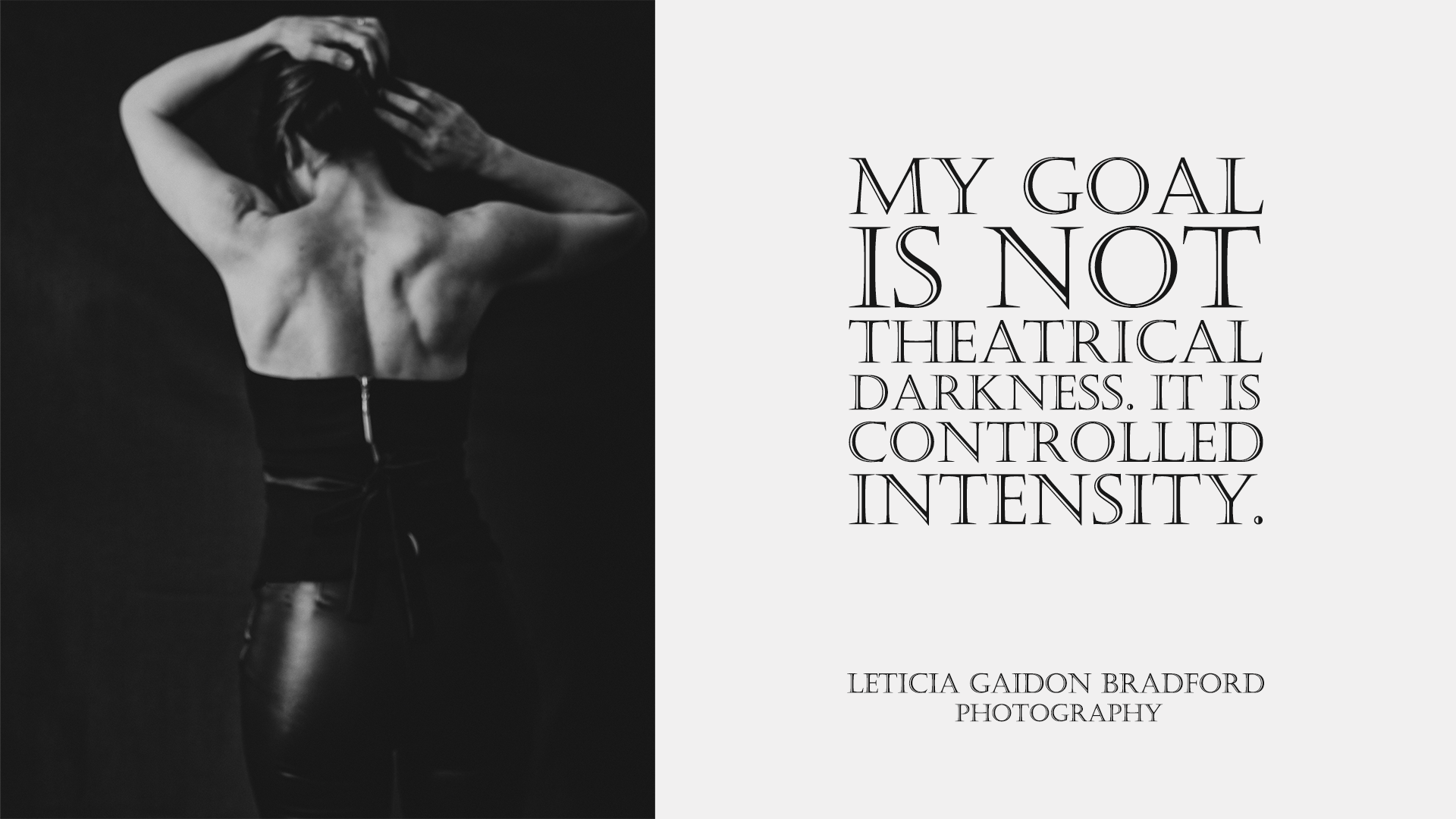
Visually, it is beauty shaped by shadow and elegance with intensity. In photography, especially portrait photography, this means working with light and shadow in a deliberate way, allowing contrast to shape the face, letting darkness hold space in the frame instead of trying to eliminate it, and creating images that feel cinematic and emotionally layered rather than bright and commercial.
© Leticia Gaidon Bradford photography
My Interpretation of Dark Romanticism in Portrait Photography
In my photography style, I break certain rules because I am not trying to replicate the pure Romantic movement. As I mentioned earlier, I reinterpret this aesthetic to add depth to my work. For that reason, I rarely use extreme side lighting (light coming from only one direction), as I prefer setting up my lighting in a more flattering way for skin texture.
My goal is not theatrical darkness. It is controlled intensity.
Textures and Fabrics in the Dark Romanticism Aesthetic
When we talk about textures and fabrics connected to this aesthetic, velvet remains one of the strongest visual anchors of Dark Romanticism because it absorbs light in a way that creates richness and depth, especially in tones like burgundy, forest green, midnight blue, or deep black. In portrait photography, velvet helps achieve a deep, absolute black backdrop.
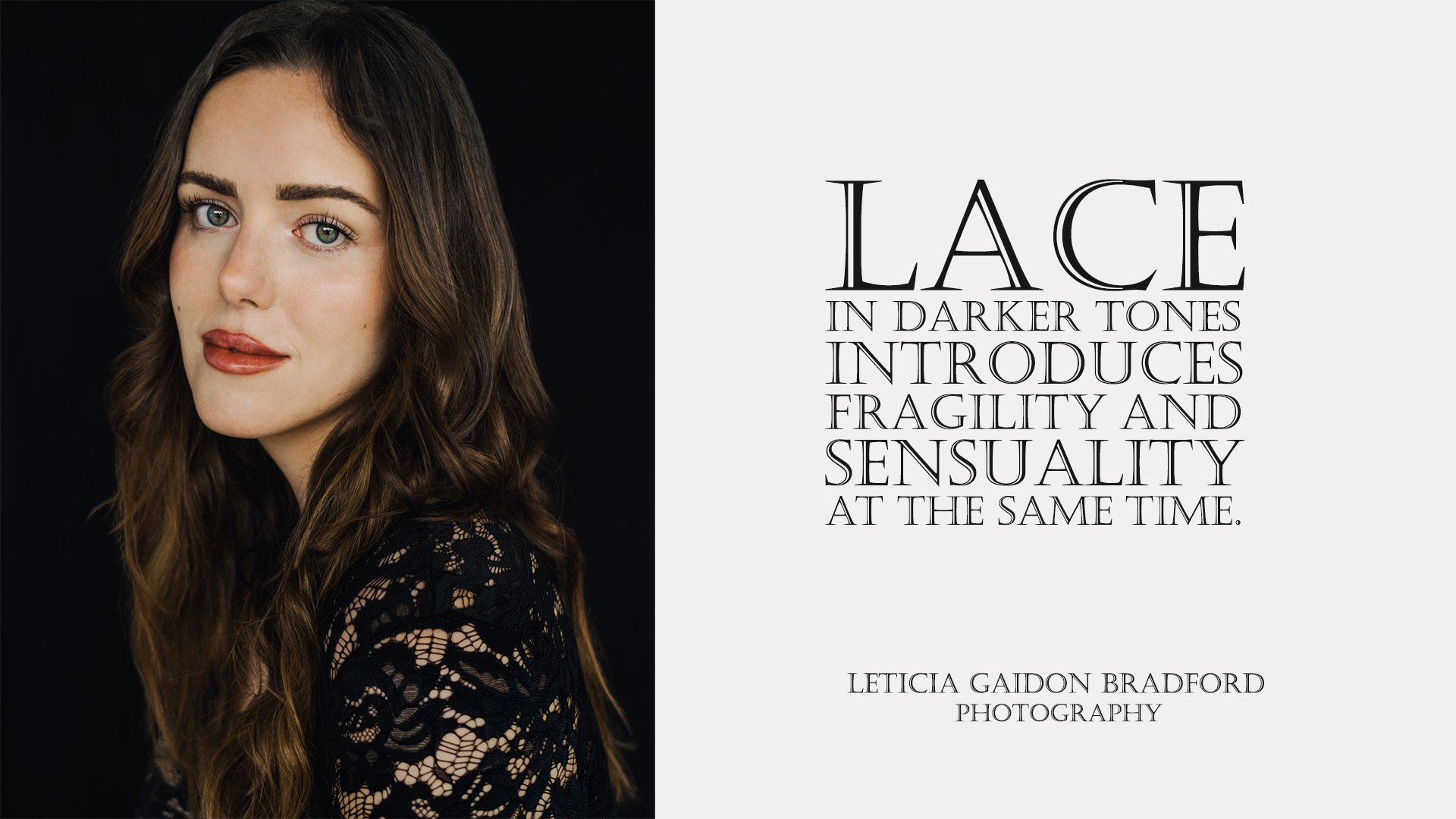
Lace, particularly in darker tones, introduces fragility and sensuality at the same time, and when photographed well, it adds intricate texture that contrasts beautifully against moody backgrounds.
© Leticia Gaidon Bradford photography
Silk and satin bring fluidity and subtle reflection, catching highlights in a controlled way that allows the subject to glow without losing the dramatic atmosphere. Tulle and layered sheer fabrics add movement and a slightly dreamlike softness that balances the weight of darker tones.
There is often an element of contrast within this aesthetic, which is where materials like leather can enter the conversation, not in an aggressive way, but as a structured counterpoint to softness, reinforcing the idea that Dark Romanticism is about duality.
Colour Palette and Modern Adaptation
The colour palette naturally supports this mood, living in deep, saturated shades such as black, oxblood, dark emerald, midnight blue, plum, and charcoal, sometimes softened with muted neutrals like antique ivory or stone. It always maintains that sense of quiet intensity rather than brightness.
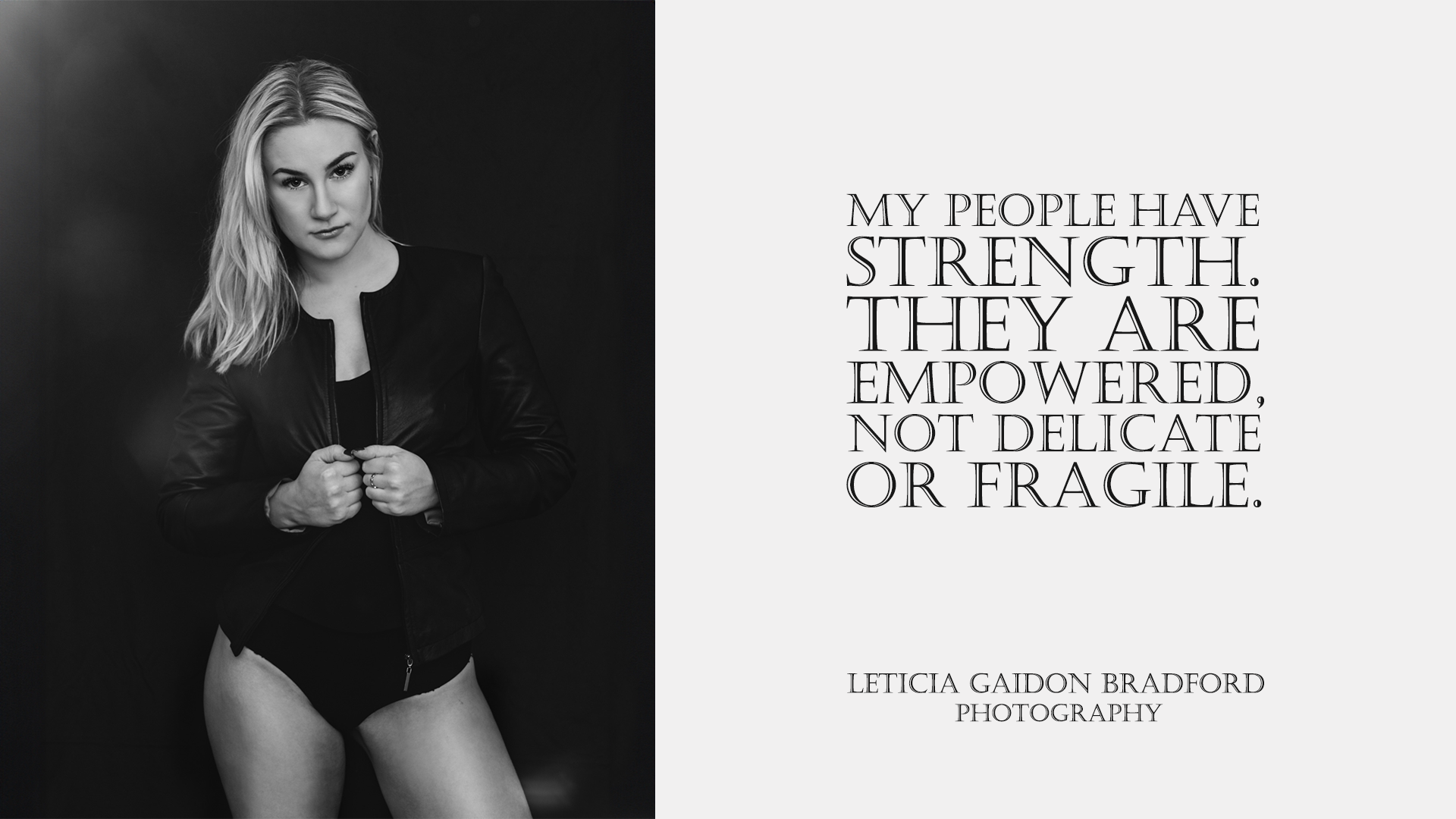
This is another shift I introduce in my work. For commercial or corporate portrait sessions, I bring in more light, but I balance it with Latino intensity in colour. I want strength and character in the images, avoiding excessive softness. My people have strength. They are empowered, not delicate or fragile.
Dark Romanticism in Business and Commercial Portrait Photography
The pure style of Dark Romanticism in portrait photography is less about dramatic clothing and more about understanding how emotion, light, and texture work together. Directional lighting becomes essential, whether through window light or controlled studio setups, because flat lighting removes the contrast that defines the mood.
Texture should be intentional and visible, but not overwhelming. Expression matters more than outfit. Presence matters more than trend. The image should feel like a still from a story rather than a pose seeking other people’s approval.
© Leticia Gaidon Bradford photography
However, many of these characteristics are not fully compatible with everyday business and commercial aesthetics. That is why it must be introduced in subtle hints - enough to bring personality and depth, making your portraits more interesting without losing professionalism.
Why Dark Romanticism with a Modern Twist Works
What makes Dark Romanticism powerful is when it is conceptualised with a modern twist, creating a photo session with strong and distinctive visual communication. It allows your portrait photography to stand out while still feeling intentional, elegant, and aligned with contemporary aesthetics.
Book your free consultation today and discover how professional photos can elevate your brand.
Follow me in Instagram. Connect with me in LinkedIn.
Thank you for reading.
Bye for now.