Why We Regret Not Taking More Photos
Social media is still under the influence of Benito Antonio Martínez Ocasio, known professionally as Bad Bunny. Beyond his stunning performance at the Super Bowl, I was interested in a reflection connected to one of his songs: “Debería haber tirado más fotos” (“I should have taken more pictures”).
This is not nostalgia. It is anticipatory regret expressed too late.
We rarely understand the value of a moment while we are living it. The emotional weight comes later, when access to that moment disappears.
Life Passes Fast: Memory and Photography
In the interview, he showed a high level of self-awareness, recognising how fast life passes and the importance of capturing moments, places, people, and cultures in images before they fade away.
He remembered how his mother used to take photos of him and, like many children, he complained and didn’t want to do it. Now, as an adult, he wishes there were more images of that time. He realises there are not as many as he would like to have.
I appreciate that a young artist brings this awareness into the public conversation because, as a photographer, this is something I witness constantly, not only in families, but also in professionals, entrepreneurs, and entire communities.
It is rare to find someone with the courage to be self-aware about our brief life on Earth and to act on it.
© Leticia Gaidon Bradford Photography
Photography, Loss and Visual Legacy
Now that I am 51 years old, I notice something very honest in conversations with clients. Many entrepreneurs tell me quietly: “I need to take some proper photos of myself for my family.”
At this stage of life, most of us have already experienced the loss of someone close. We know the shock of trying to find a good photograph of that person and realising there isn’t one. And they don’t want their family to go through the same situation.
This may sound uncomfortable. It may even sound morbid. But it is not. It is an honest reality.
In this space, we do not hide from reality. We face it.
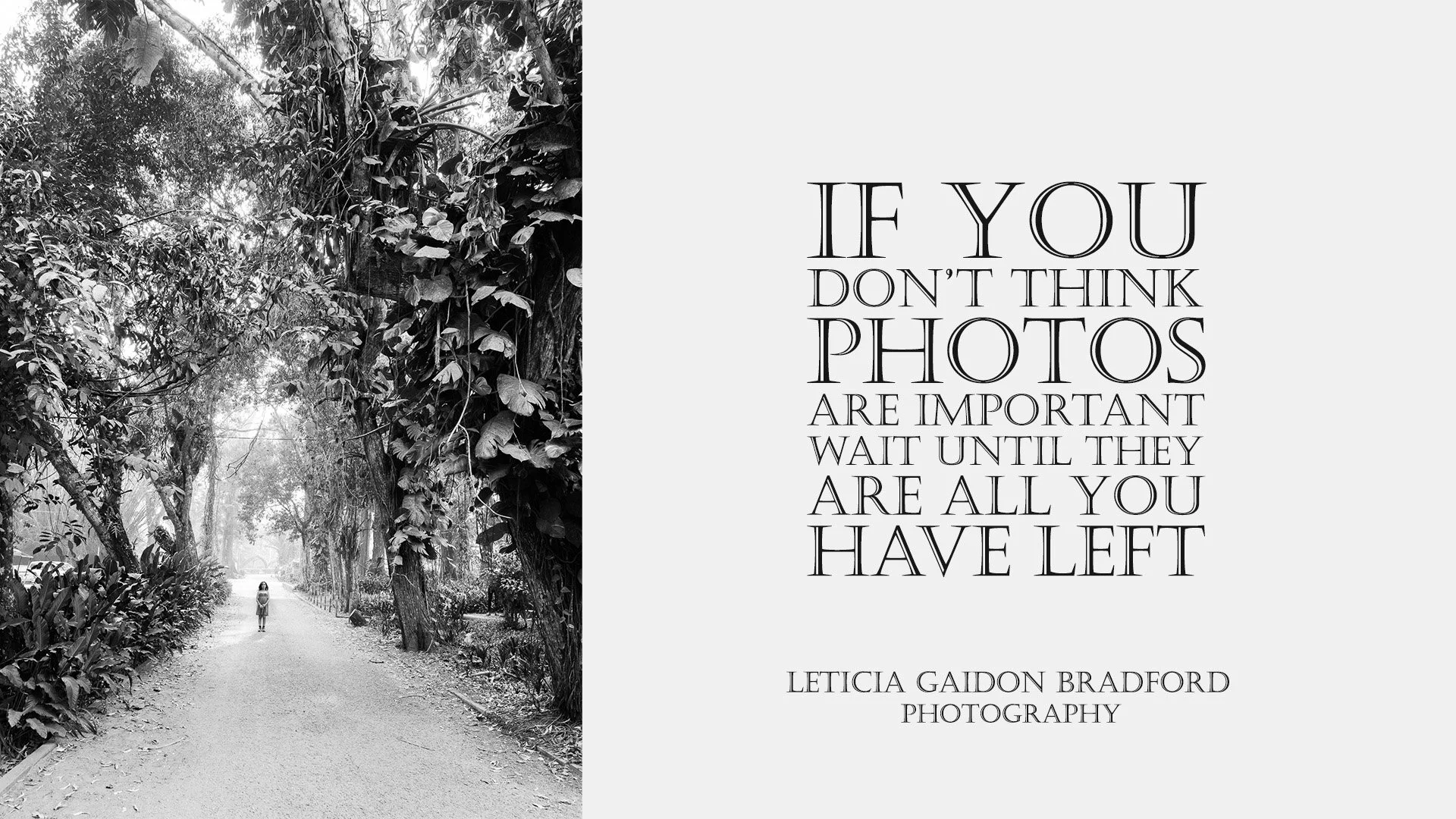
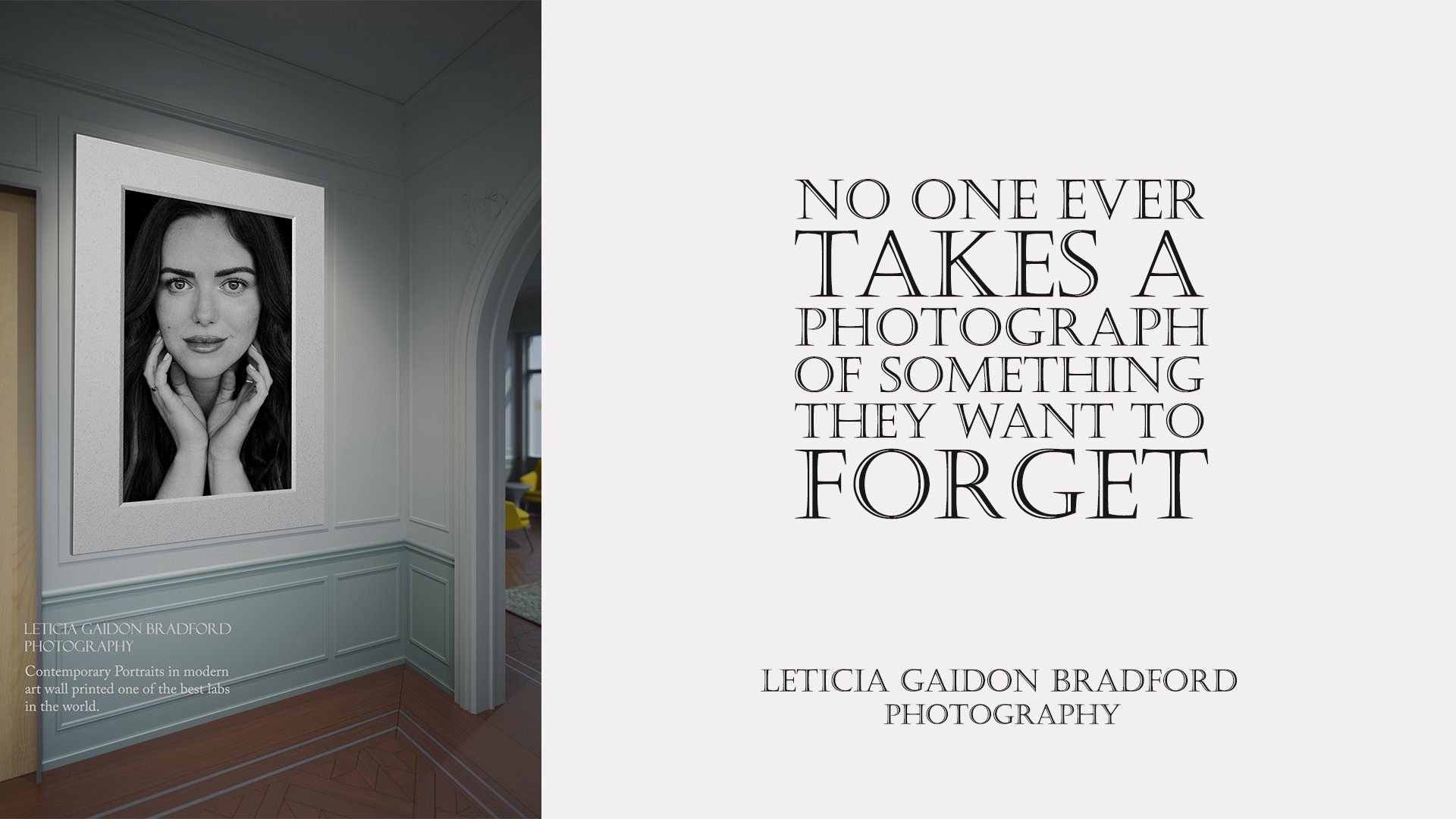
Photography is not about vanity, it is about preserving memory and leaving a visual legacy.
© Leticia Gaidon Bradford Photography
Street Photography and Cultural Memory
The same reflection applies to places.
Our increasingly over-protected society is making the work of street photographers more difficult. However, the same people often express admiration for photographers such as Henri Cartier-Bresson and Vivian Maier.
Street photographers do not simply capture strangers. They document how society breathes in fashion, technology, body language, architecture, and daily life. In 50 years, those images become cultural evidence.
They become historical records of our larger family: our community.
Although I am not a street photographer, I strongly believe in the freedom my colleagues must have to do their work. They are documenting our time.
Photography as an Anchor for Memory
Everything is ephemeral, people change, cities change, cultures change.
Photographs become the anchor of our memories. They confirm that someone was here, and they show how our society looked at a specific moment in time.
We do not regret taking photos.
We regret not taking them.
Book your free consultation today and discover how professional photos can elevate your brand.
Follow me in Instagram. Connect with me in LinkedIn.
Thank you for reading.
Bye for now.