When Attention Becomes More Valuable Than Kindness
Growing up, I was always taught that love is stronger than hate. Perhaps you were too.
As an adult, however, I have started to question that idea, because I can clearly see that, economically, it has become incredibly profitable.
Today, attention is one of the world's most valuable currencies, and few things capture our attention more effectively than conflict, outrage, humiliation, and controversy.
The business model is surprisingly simple and almost cost-free.
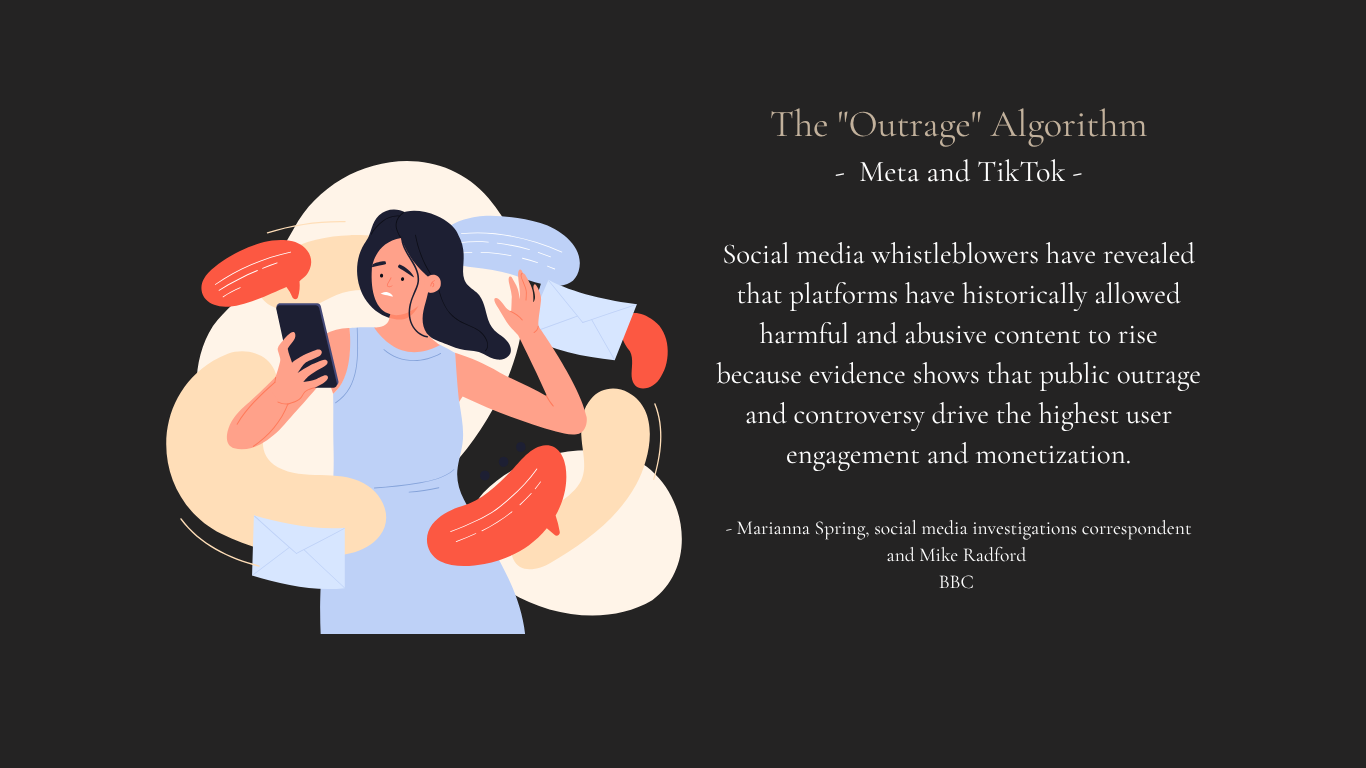
Create enough anger or division, encourage people to argue in the comments, and social media algorithms often reward that engagement by showing your content to even more people. More visibility usually means more followers, more advertising revenue, more sponsorships, and more influence.
The algorithm doesn't care whether people are applauding you or criticising you.
It simply measures attention.
Why Hate Spreads So Easily
Human beings naturally pay attention to threats.
For thousands of years, noticing danger before everyone else helped us survive. Our brains are still wired to react quickly to conflict, arguments, scandal, and fear.
Social media didn't invent this instinct. It simply discovered how profitable it is.
Every comment, every share, every angry reply tells the algorithm that people are engaged, and the platform responds by promoting that content even further.
In many cases, outrage becomes free marketing, and for social media platforms it means people spend more time on their apps.
“The hate economy is one consequence of what is often called the attention economy, where capturing attention has become more valuable than holding it responsibly.”
When Controversy Becomes a Brand
Some online personalities have built enormous audiences by constantly creating controversy.
Whether the topic is sport, politics, celebrities, or social issues, provoking strong emotional reactions often generates more engagement than producing thoughtful or educational content.
Sometimes creators deliberately position themselves as victims when they receive criticism about their content, encouraging their followers to defend them even more passionately. Others divide the world into heroes and villains, creating loyal communities built around conflict.
The stronger the emotional reaction, the stronger the engagement, and engagement generates money.
The Audience Is Part of the System
It is easy to blame content creators alone, but the reality is more uncomfortable.
Without an audience, there is no hate economy.
We choose what we watch. We choose what we share. We choose what deserves our attention.
Every watch time, every like and comment tells the algorithm, "Show me more of this."
In that sense, we all participate in shaping the online world.
But how do we resist when something genuinely worries us or when we feel personally attacked?
The answer is not as simple as saying we are just tribal online communities.
Politicians, businesses, and institutions pay attention to what gains traction online, and that can influence public debate and even political priorities.
As the saying goes, if you control the media, you influence public opinion. Today that feels more relevant than ever because traditional media and social media shape what millions of people see, discuss, and sometimes believe. In that sense, these platforms have become battlefields where competing narratives fight for the “dominant truth.”
The Cost of Viral Humiliation
One aspect that worries me deeply is the growing normalisation of filming strangers without their permission simply because it creates entertaining content.
As a photographer, I occasionally enjoy doing street photography. Although I rarely focus on people, I sometimes include them in my images. What concerns me is the growing number of social media posts where public humiliation has become the strategy for attracting attention. That couldn't be further from what street photographers try to achieve through their craft.
People become characters in someone else's social media story, often portrayed in the most unflattering and humiliating way possible.
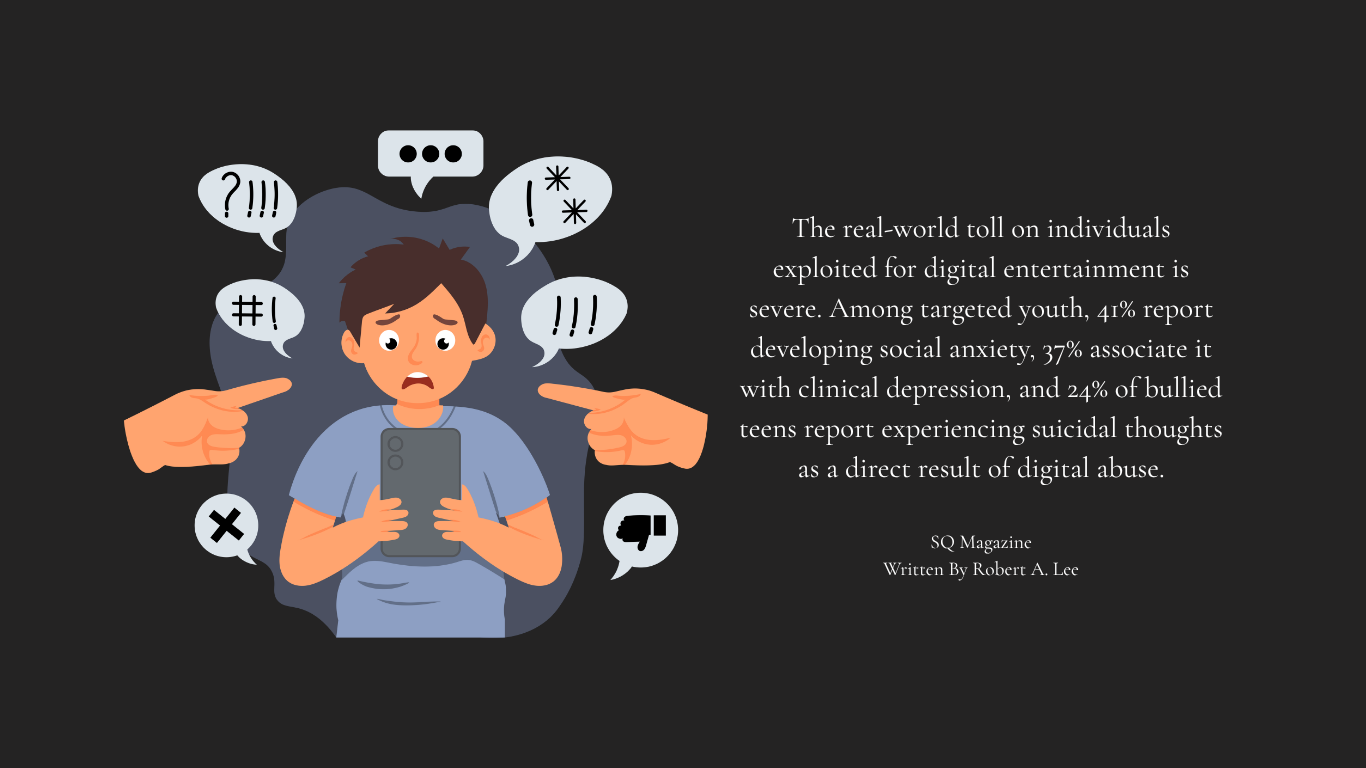
A single embarrassing moment can be viewed millions of times, leaving a permanent digital footprint that may follow someone for years.
What concerns me even more is the impact of what this public humiliation can do on children and teenagers.
They are still developing their identity, and public humiliation at that stage of life can have consequences we may not fully understand for many years.
Entertainment should never come at the expense of another person's dignity ...yet millions of pounds are generated this way because it is also "fast and cheap content creation", much like fast food. That makes it even more tempting to produce.
Choosing a Different Kind of Success
One sentence stayed with me throughout my childhood:
"Don't do to others what you wouldn't want done to you."
It is a simple principle, but sometimes it feels as though social media has forgotten it.
The internet has given ordinary people extraordinary opportunities to create businesses, educate others, entertain millions, and build communities across the world.
That is something worth celebrating.
But perhaps we should also ask ourselves as business owners what kind of success we want to build and as parents and citizens what kind of society we are shaping.
I still believe that hard work, love for my craft, and dedication build something far more valuable in the long term, but we are rewarding and normalising cyberbullying, division, misinformation, and hateful content, and in doing so, we are shaping the next generation of citizens.
For the owners of these platforms, it is often simply business and profit. For the rest of us, however, the cost may be much higher: the gradual erosion of our values, and even our democracy.
Perhaps that is why I have chosen photography as my profession. In a digital world where outrage is often rewarded, I would rather spend my time creating images that help people see the best in themselves, sharing the beauty of our world, and celebrating what human beings are capable of through their craftsmanship and talent.
If you would like to learn more about my portfolio or understand how my process works, you are very welcome to book a free consultation with me.